Barcelona for First-Time Visitors: What to Know Before You Go
Planning your first trip to Barcelona? This is the guide I’d start with.
I’ve lived in Barcelona for almost 20 years and have been writing Barcelona Food Experience since 2014. This guide covers the practical things worth knowing before you arrive, the neighbourhoods to explore, the sights worth planning ahead for and, of course, how to eat well while you’re here.
Barcelona is an easy city to enjoy, but knowing a few things in advance makes a big difference, particularly when it comes to restaurant times, reservations, transport and choosing where to stay.
Planning where to eat around Barcelona?
I’ve put my Barcelona recommendations into one place: my Eating Guide plus a private Google Map with 300+ restaurants, wine bars, cafés, bakeries and more.
In this guide
When to visit
Getting around Barcelona
Getting from the airport
Where to stay
What to book ahead
Eating in Barcelona
Barcelona neighbourhoods
Day trips
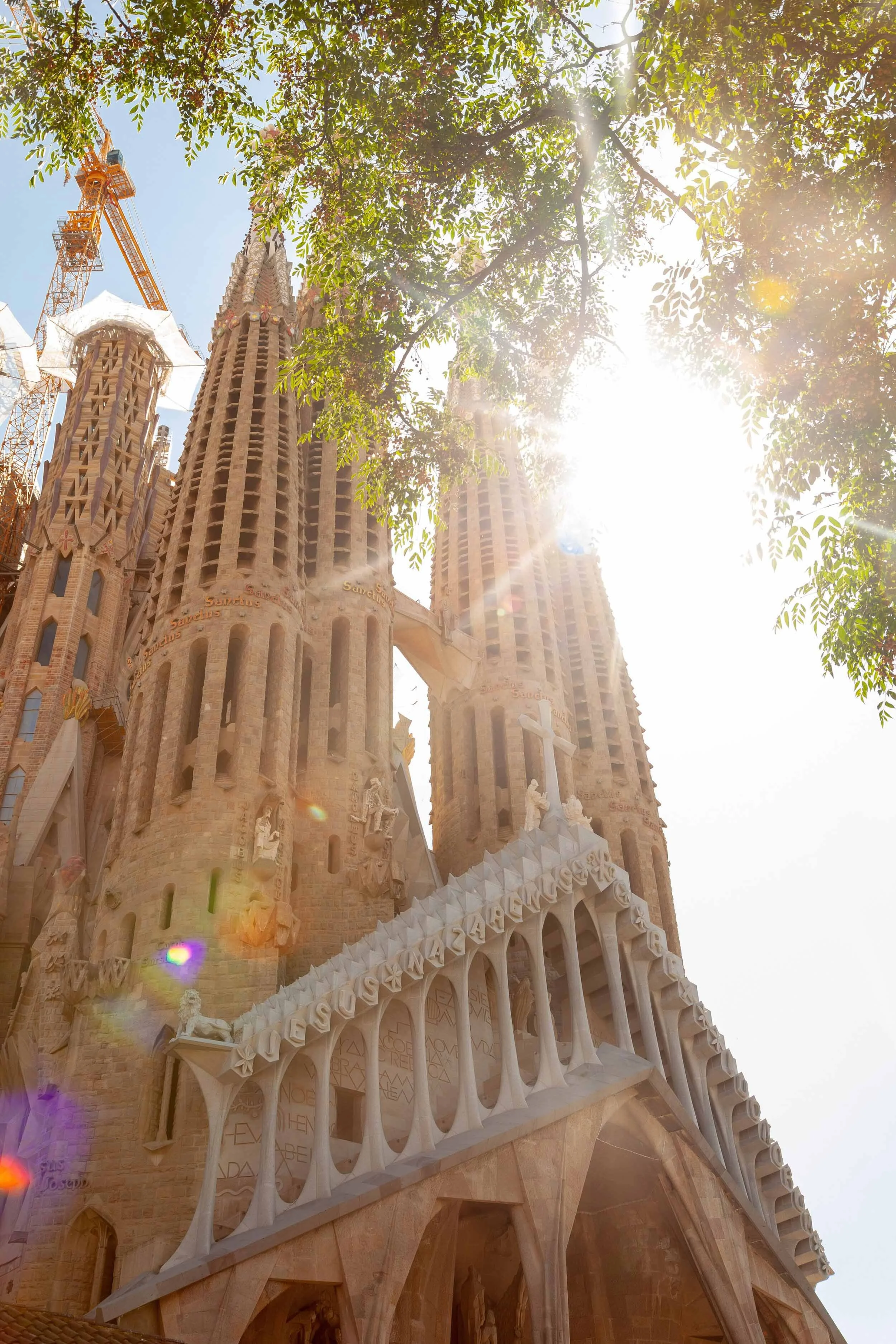
Sagrada Familia in Barcelona, Spain.
BEFORE YOU GO
when to visit
Barcelona is great all year round, but the experience changes considerably with the seasons. July and August are hot, busy and increasingly intense in the middle of the day. Spring and autumn are especially pleasant if you want to spend a lot of time walking, eating outside and exploring neighbourhoods.
Winter is much quieter and usually mild by northern European standards, although evenings can feel cold and many Barcelona apartments, bars and restaurants are not as warm indoors as you might expect.
getting around Barcelona
Public transport in Barcelona is excellent. You rarely have to wait for more than 5 minutes for any means of transportation in the city center. The subway, the buses, and the tram complement each other perfectly and help you get anywhere in the city.
Getting From Barcelona Airport
There are several straightforward ways to get from Barcelona Airport into the city.
The Aerobús is one of the easiest options and runs between the airport and central Barcelona. The metro and train are also useful depending on where you’re staying, while a taxi is the simplest option if you have a lot of luggage or arrive late.
I’d check the current transport options and prices shortly before your trip, as these can change.
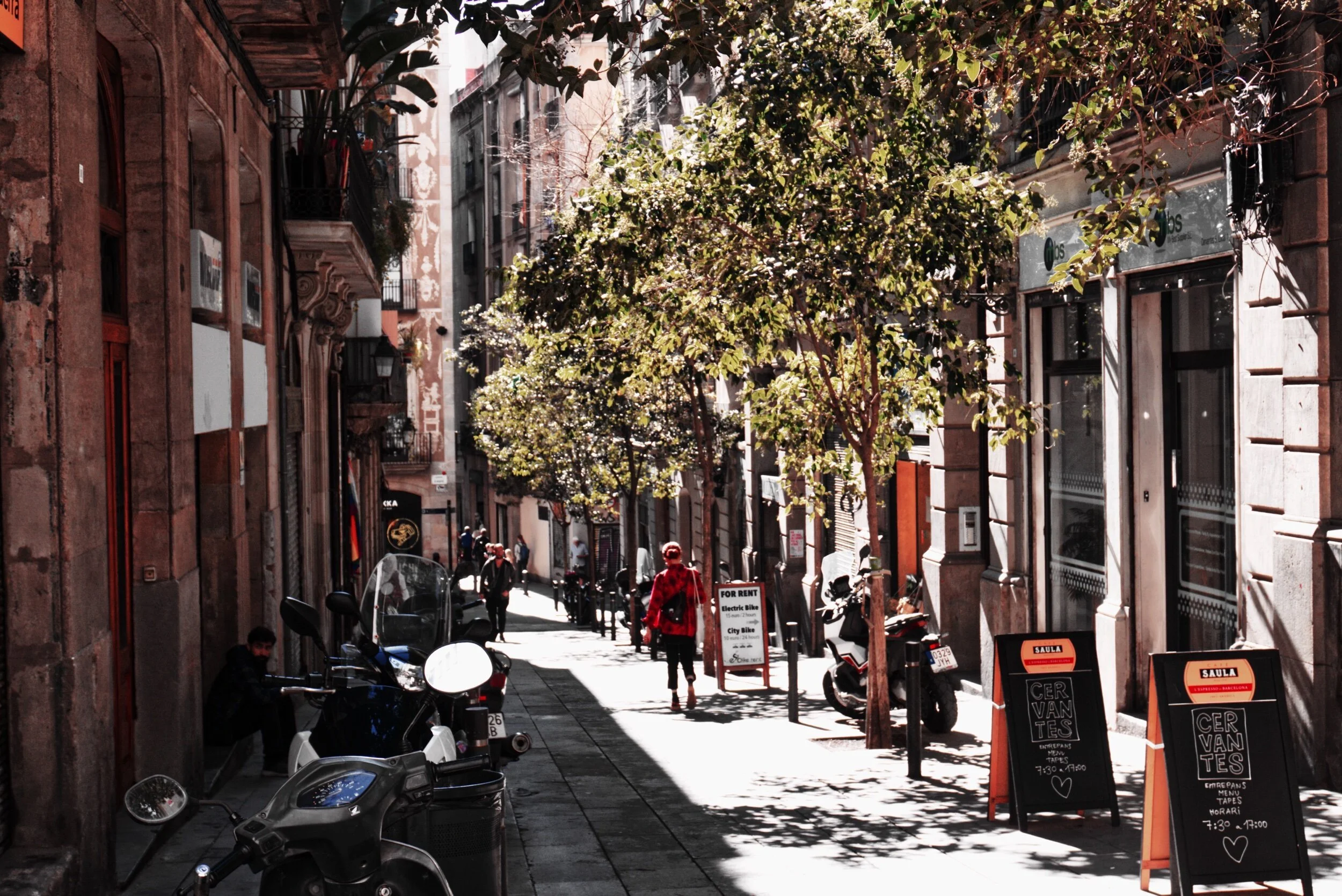
Barcelona, Spain.
how to dress
Locals are pretty laid back when it comes to dressing, but do pay attention to how to locals dress in terms of seasons: in January, locals will go outside in a winter jacket and a scarf, and not a thin summer dress, shorts or flip-flops. It might feel like it's summer where you're coming from, but it really is not. You'll be treated better anywhere you go, and you won't be such an easy target for pickpockets.
In summer: keep your clothes on, please. It's not cool to walk around shirtless (or in a bikini top) in the middle of the city. Barcelona is a busy city, not a beach attraction.
weather
How you'll like the weather depends a lot on where you're coming from. The Nordic countries you'll be happy in Barcelona all year round. If you're coming from a cold country, you'll be happily swimming in the sea from May to October.
July and August can get HOT. These are also hectic tourist months. Rumors are going around that many restaurants, bars, and shops close in August, but if you're visiting, you'll barely notice it. There are plenty of places to choose from. It rarely rains here, and if it does, it will usually be a fairly quick shower, followed by more sunshine.
size of the city
Barcelona is perfect in size: you can walk to most places in the city center. If you get tired taking a taxi will set you back about 10-20 euros depending on where in the city center you'll be going.
pickpockets
Barcelona is generally an easy city to navigate, but petty theft is common in crowded areas. Keep an eye on phones and bags, particularly on public transport, around major sights and on busy terraces. I wouldn’t let it make you nervous about the city, just more attentive than you might be at home.
tipping
Tipping in Barcelona is much more relaxed than in countries like the United States.
There is no expectation to add a large percentage to the bill. For good service, rounding up or leaving a few euros is perfectly normal.
One thing visitors sometimes find surprising: your waiter usually won’t bring the bill until you ask for it. I love this because it means you can finish your meal and chat without feeling as if anyone is trying to nudge you to leave.
What to Book Ahead in Barcelona
Barcelona is increasingly a city where some of the things people most want to do need a little planning.
I wouldn’t schedule every hour of your trip, but there are a few things worth sorting out before you arrive, especially if you’re travelling during a busy period.
For major sights such as Sagrada Família and Parc Güell, I’d book tickets in advance rather than hoping to walk in on the day. The same applies to restaurants you’re particularly excited about, especially tasting menus, Michelin-starred restaurants and smaller chef-led places with limited seating.
If there is one restaurant you’ve been thinking about for months, book it. You can leave the rest of your meals more spontaneous.
Planning your meals? See my Best Restaurants in Barcelona Right Now →
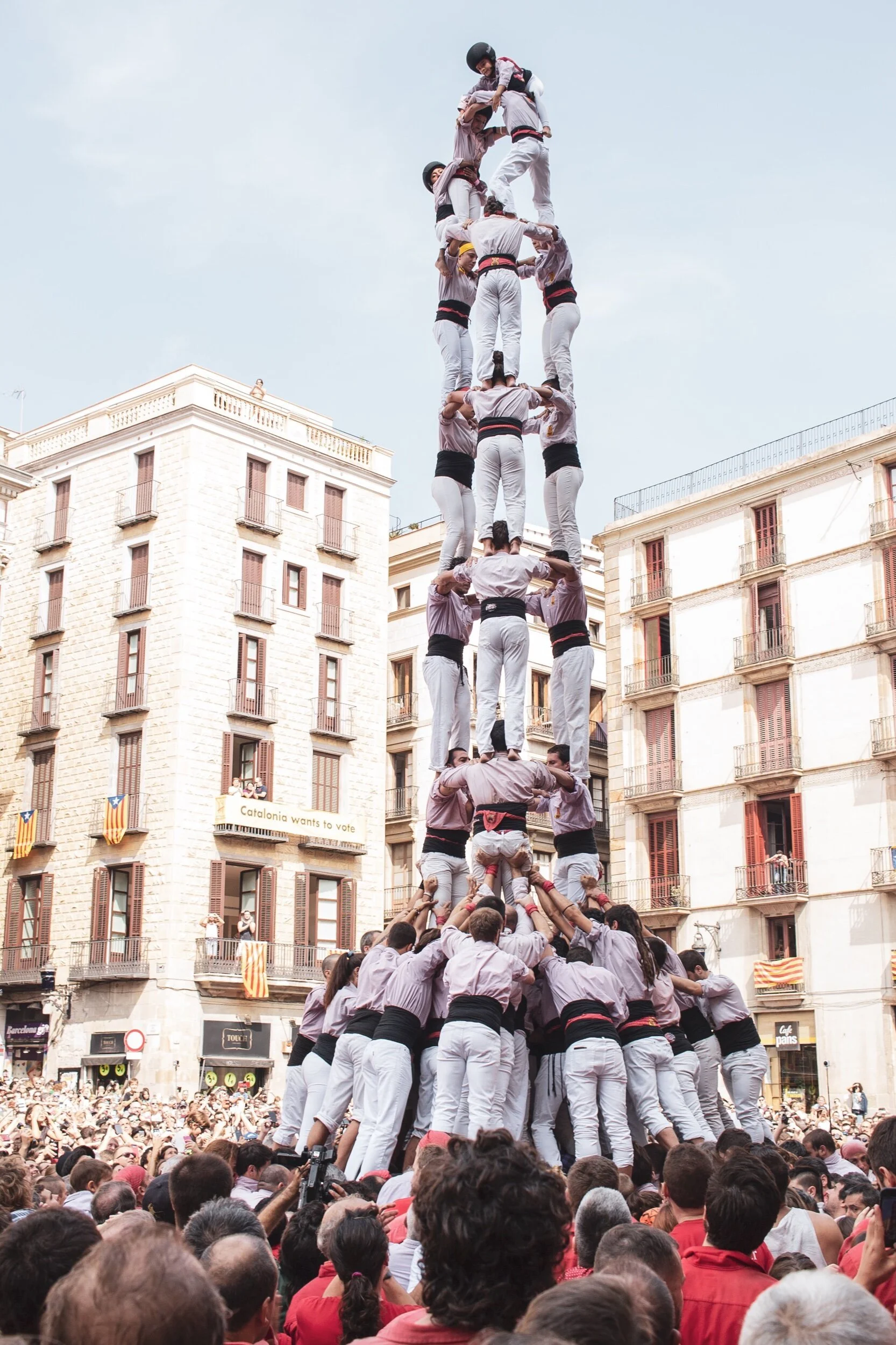
Castellers in Barcelona, Spain.
culture
Music, art, gastronomy, architecture… Barcelona has ALWAYS something interesting going on, every single day of the year.
Flamenco is not part of the local culture, and neither is bullfighting, so you might want to look at another destination if these are on your top list. Having said that, there are a few places where you have the opportunity to experience good flamenco. We recommend visiting Tablao de Carmen: the place is beautiful, the food is good and the flamenco is wonderful.
If you visit in September, you might be lucky enough to enjoy La Mercè: a week-long celebration of the patron saint of the city, with plenty of fun activities both day and night. If your timing is right, you can catch a display of the human towers!
Each neighborhood has its own celebration, with the Gràcia festival in August being the most famous one. The festivities last for more than a week, and the streets battle in who comes up with the most unique decoration. It is quite an experience!
Me sure to check out foodie events such as All Those (two times a year, read my post on it here) and Van Van Market, just to name a few.
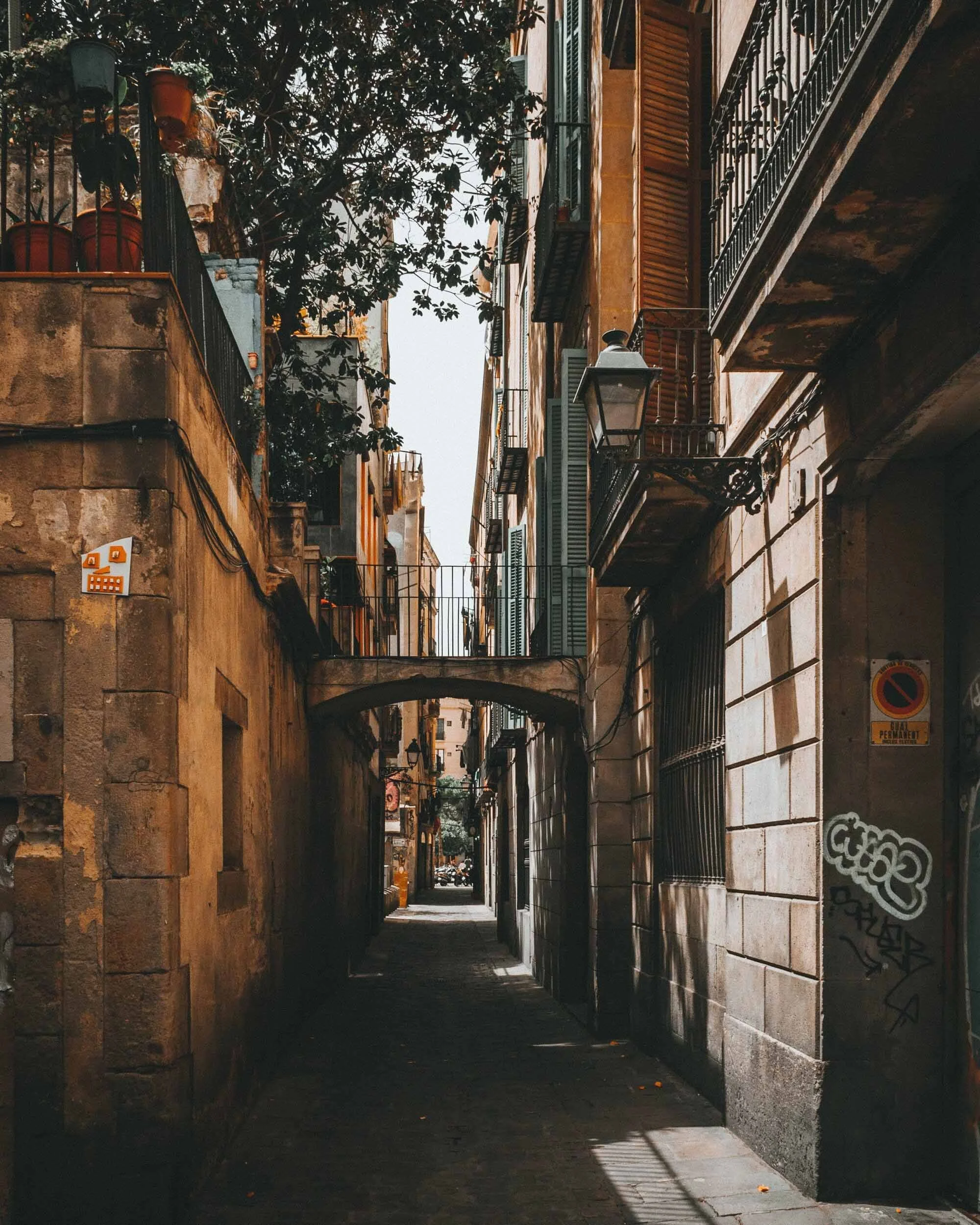
Barcelona, Spain.
where to stay in Barcelona
For a first visit, I’d usually look at Eixample, Gràcia, the Gothic Quarter or El Born, depending on the kind of trip you want.
Eixample is central, easy to navigate and very convenient for restaurants and transport.
Gràcia feels more neighbourhood-like and works particularly well if you want cafés, local restaurants and evenings away from the busiest visitor areas.
El Born and the Gothic Quarter put you right in the historic centre, although they’re busier and noisier in places.
If food is a priority, I’d also consider Sant Antoni and Poblenou, both of which have excellent restaurant scenes.
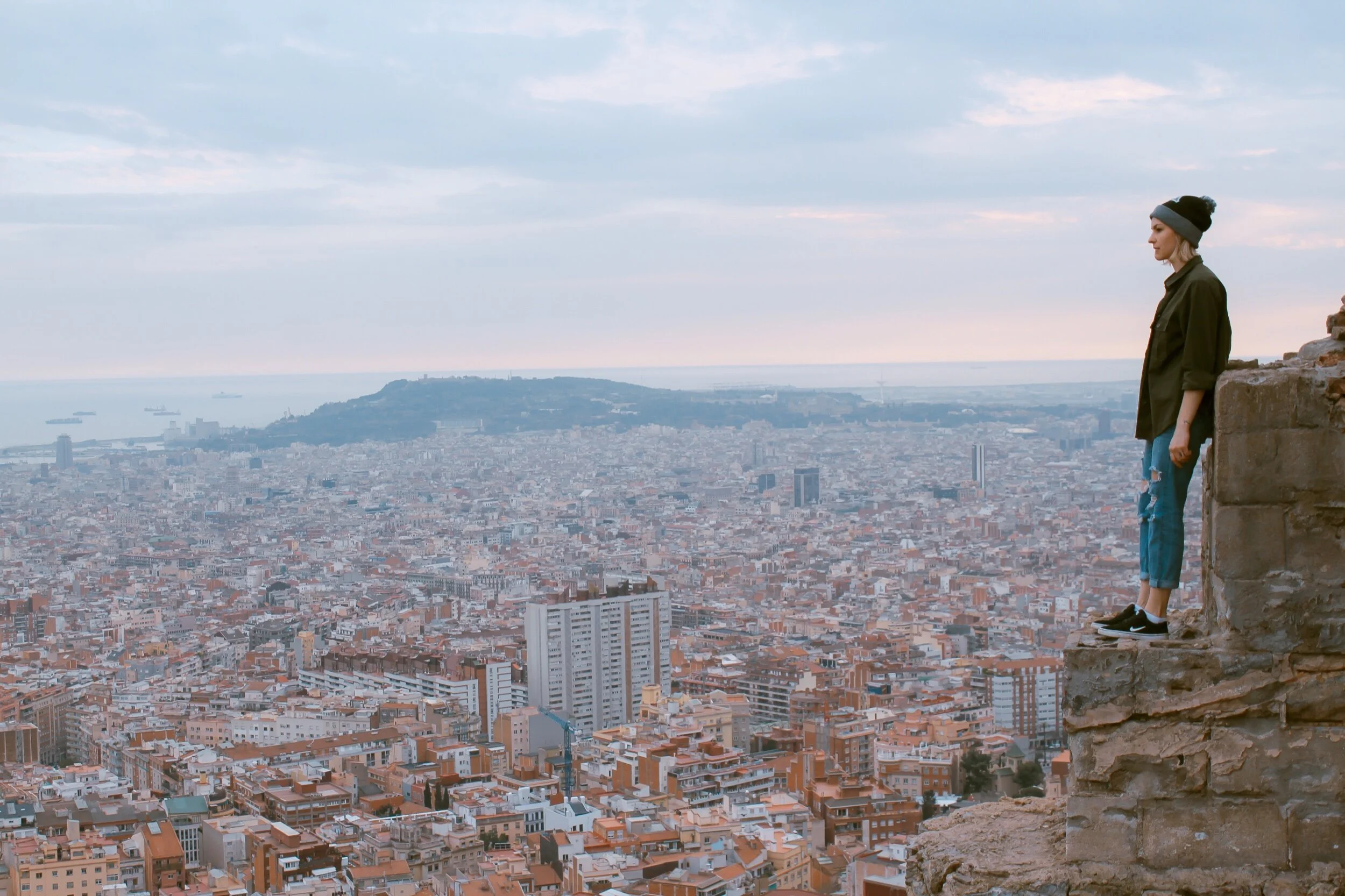
Carmel Bunkers in Barcelona, Spain.
views
Parc Güell is not only a beautiful architectural park designed by Gaudi himself, but it has some gorgeous views of the city. An unexpected gem is the Carmel Bunkers, with a bunker museum and absolutely stunning views, it’s without a doubt my favorite. It has now certain restrictions when it comes to visiting, so check this out beforehand.
You may also like to visit Tibidabo, where you will find a church and a small amusement park perched up high on a hill. If you’d like to have dinner with a view I recommend Torre de Alta Mar (fancy) or Terraza Martinez (great paella), both with gorgeous views over the city and the Mediterranean.
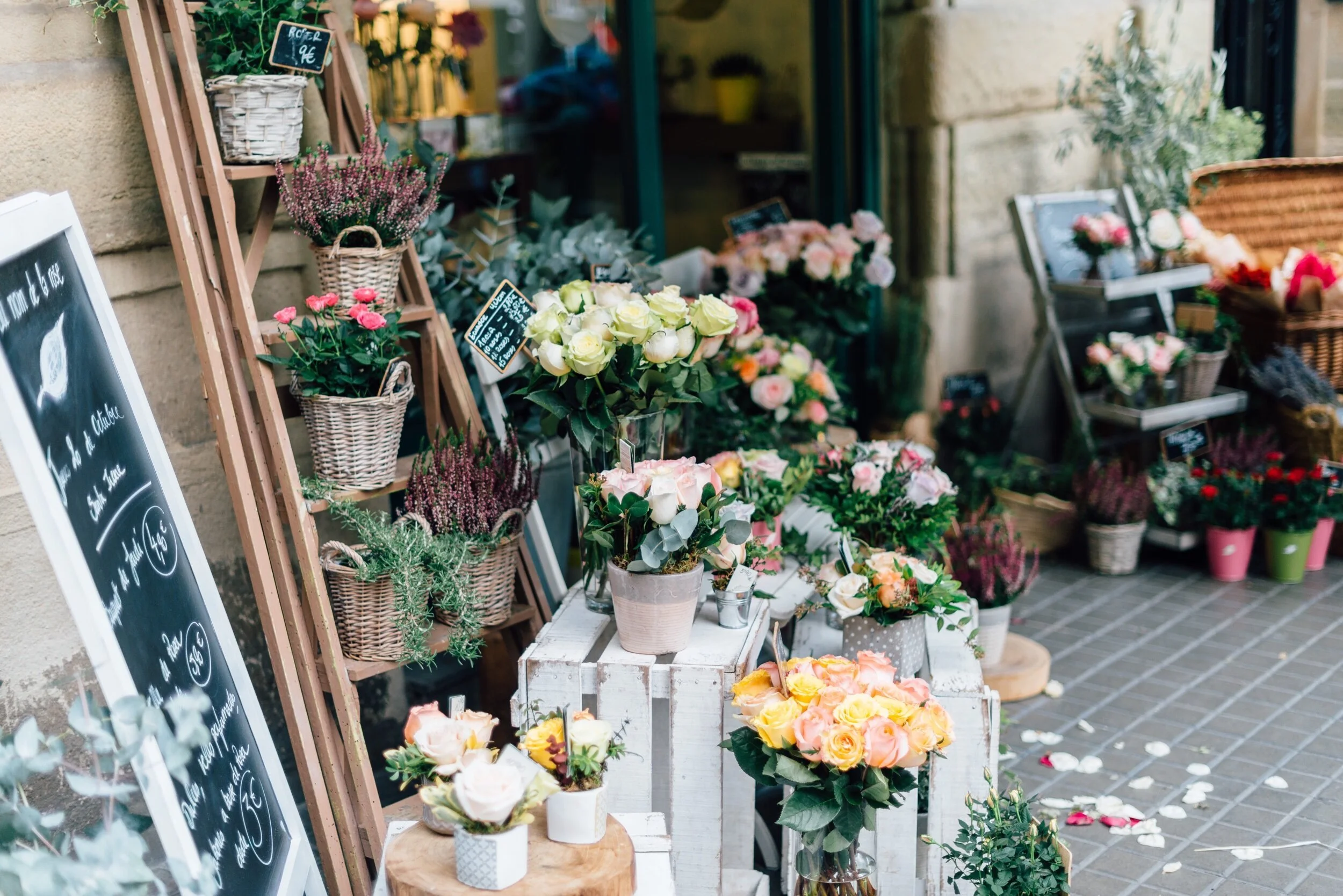
Flower shop in Barcelona, Spain.
shopping
Born and Gracia great neighborhoods for shopping local, hand-made items, and sustainable clothing. Portal de l'Angel is suitable for visiting local chains such as Zara and Mango, and on Passeig de Gracia, you will find some excellent shopping too mixed in with very high-end boutiques. Born has some good vintage shopping. Shopping malls in Barcelona aren't particularly interesting and tend to be quite far away from the city center.
hotels and hostels
Book your hotel/hostel well in advance. In February, the Mobile World Congress takes place, and the hotels charge up to ten times their regular rate. July and August are also very busy months. Excellent and central areas to look for hotels are the Eixample, Gotico, and Born. If you're staying longer than just a few days, check out Gràcia too (see my neighborhood guide here), which is close to the city center but has a very charming village-like feeling to it. When you're looking for a place to stay, avoid the Raval neighborhood. Find a complete list of my favorite hotels in Barcelona here.
beaches
In time for the Olympics in Barcelona in 1992, the area around the Barcelona beach got a significant makeover and is now considered as one of the best urban beaches in Europe. There is a 4,5 km long stretch of sandy beach in the city, but it tends to get very busy during the high season. Many locals prefer to escape the city, and taking the train to the nearby beaches outside the city (both north and south) is very recommendable. Make sure to be very careful with your belongings on the city beach, as it is plagued with pickpockets.
party
The nightlife in Barcelona is legendary. There is something for everyone and something going on every day of the week. Keep in mind that dinner time begins around 21h-22h, which means bars fill up around midnight and nightclubs around 3 AM and keep going until the sun goes up. Drinks are usually quite affordable in bars and nightclubs, but some nightclubs might have a cover charge. Here is a list of my favorite cocktail bars, and a list of my favorite rooftop bars.
Barcelona also hosts some great music festivals, such as Sónar, Primavera Sound, Grec, and Cruïlla.
What to See on a First Trip to Barcelona
For a first visit, I’d concentrate on a handful of places rather than trying to tick off every attraction in the city. The best things often happen unexpectedly!
Sagrada Família is the obvious one, and yes, I think going inside is worth it. Book ahead.
Parc Güell is another Gaudí classic and works well combined with time in Gràcia.
For historic Barcelona, spend some time walking through the Gothic Quarter and El Born, including Santa Maria del Mar and the smaller streets around it.
Passeig de Gràcia is the easiest place to see some of Barcelona’s best-known modernist architecture, including Casa Batlló and La Pedrera.
I’d also leave time for Montjuïc, especially if you want museums, views and a little space away from the busiest parts of the centre.
And if the weather is good, a walk along the waterfront or Barceloneta is an easy way to see a completely different side of the city.
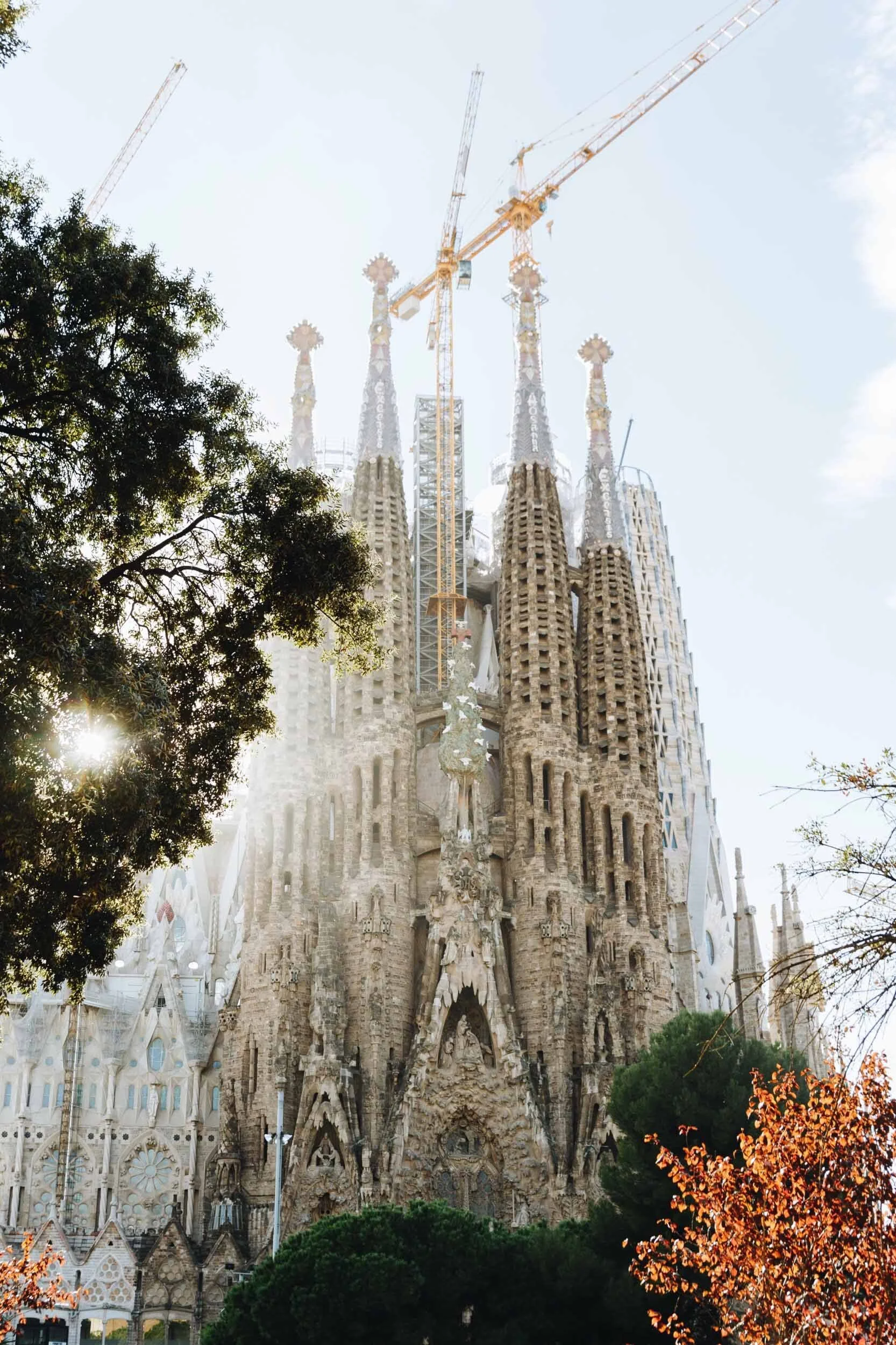
Sagrada Familia in Barcelona, Spain.
EATING IN BARCELONA
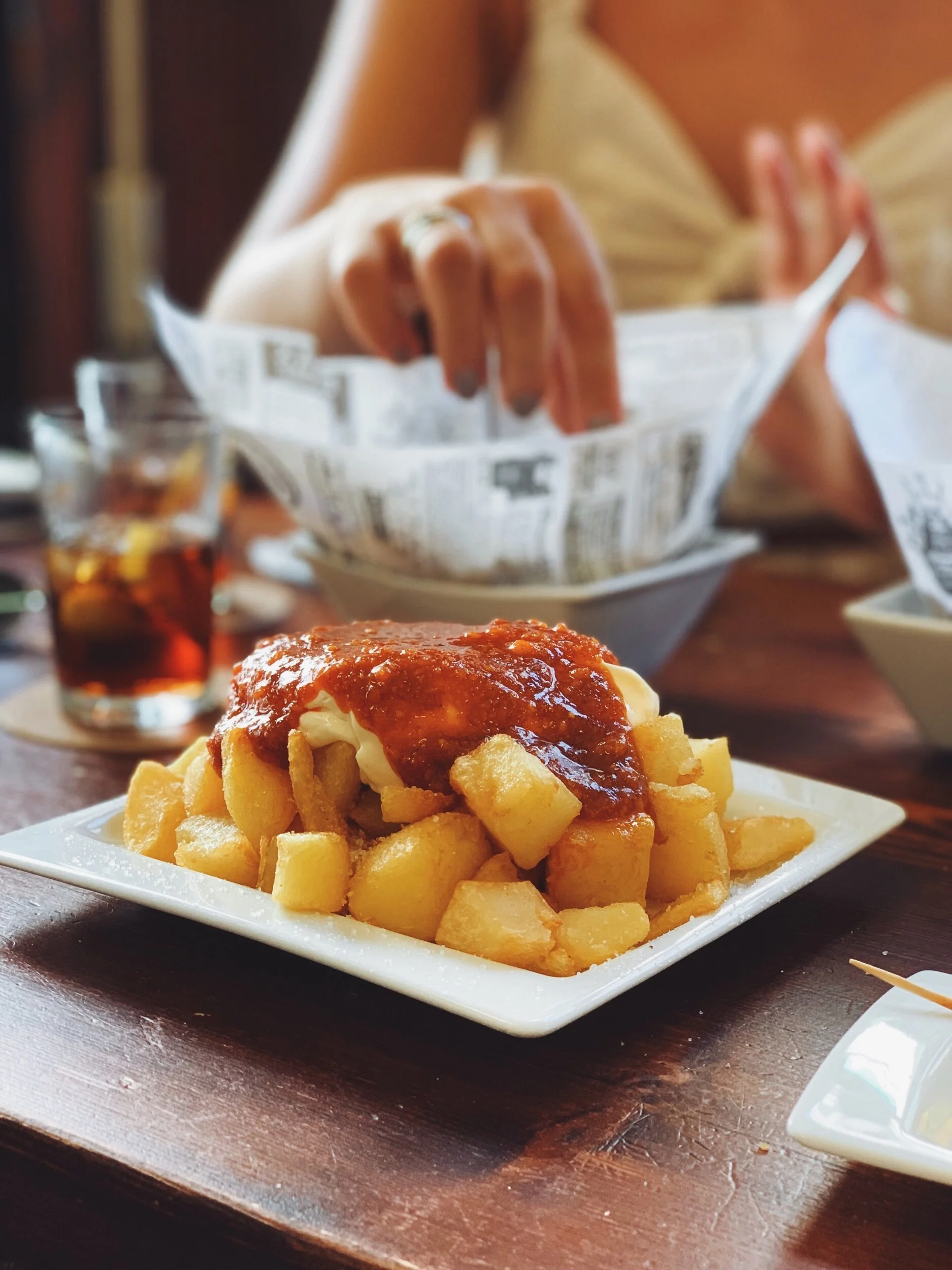
Patatas Bravas in Barcelona, Spain.
Food is obviously the part of Barcelona I know best, and it’s also one of the areas where a little planning pays off.
Barcelona eats later than many visitors are used to. Lunch is usually the main meal of the day, and many restaurant kitchens close between lunch and dinner. At the same time, the city’s food scene has changed enormously: breakfast cafés, natural wine bars, tasting menus, international cooking and small chef-led restaurants now sit alongside traditional tapas bars, bodegas and Catalan restaurants.
You absolutely do not need to plan every meal in advance, but I’d have a few restaurants saved before you arrive, particularly for the meals you are most excited about.
Where to Start
My current shortlist of the restaurants I’m most excited about.
Best Restaurants in Barcelona Right Now →
Tapas
Traditional bars, modern tapas and plenty in between.
Best Tapas in Barcelona →
Paella & Local Food
Where I’d go for rice dishes and Barcelona classics.
Best Paella in Barcelona →
Breakfast & Coffee
For mornings that involve more than a quick coffee.
Best Breakfasts →
Best Cafés →
Bars & Wine
From cocktail bars and rooftops to small wine bars and old-school bodegas.
Best Bars in Barcelona →
Best Wine Bars →
Near the Sights
You do not have to eat badly just because you’re visiting Barcelona’s major attractions.
Where to Eat Near Barcelona’s Main Sights →
And finish this part with:
For everything else, start with my Barcelona Food Guide →
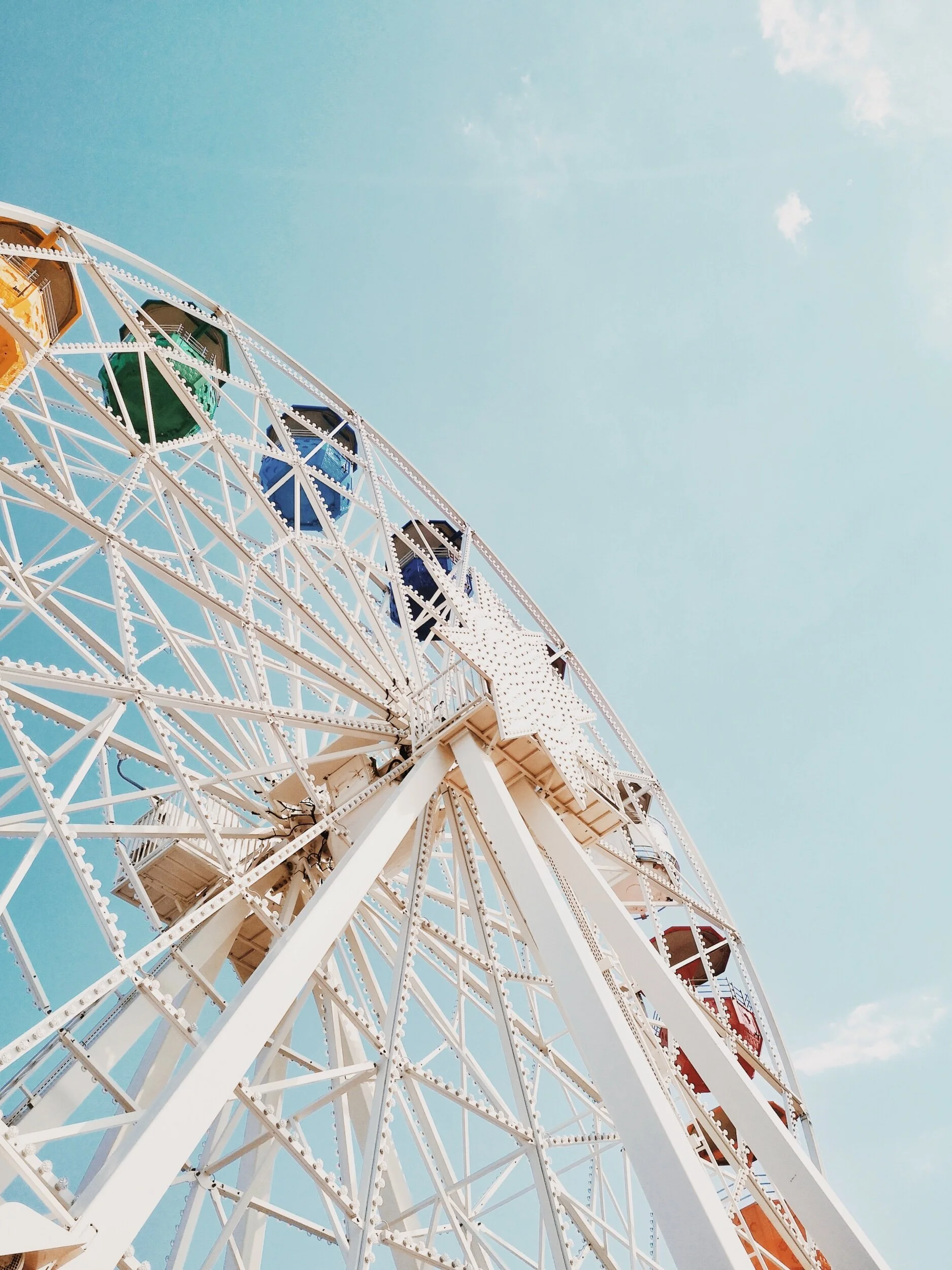
Tibidabo, Barcelona, Spain.
DAY TRIPS FROM BARCELONA
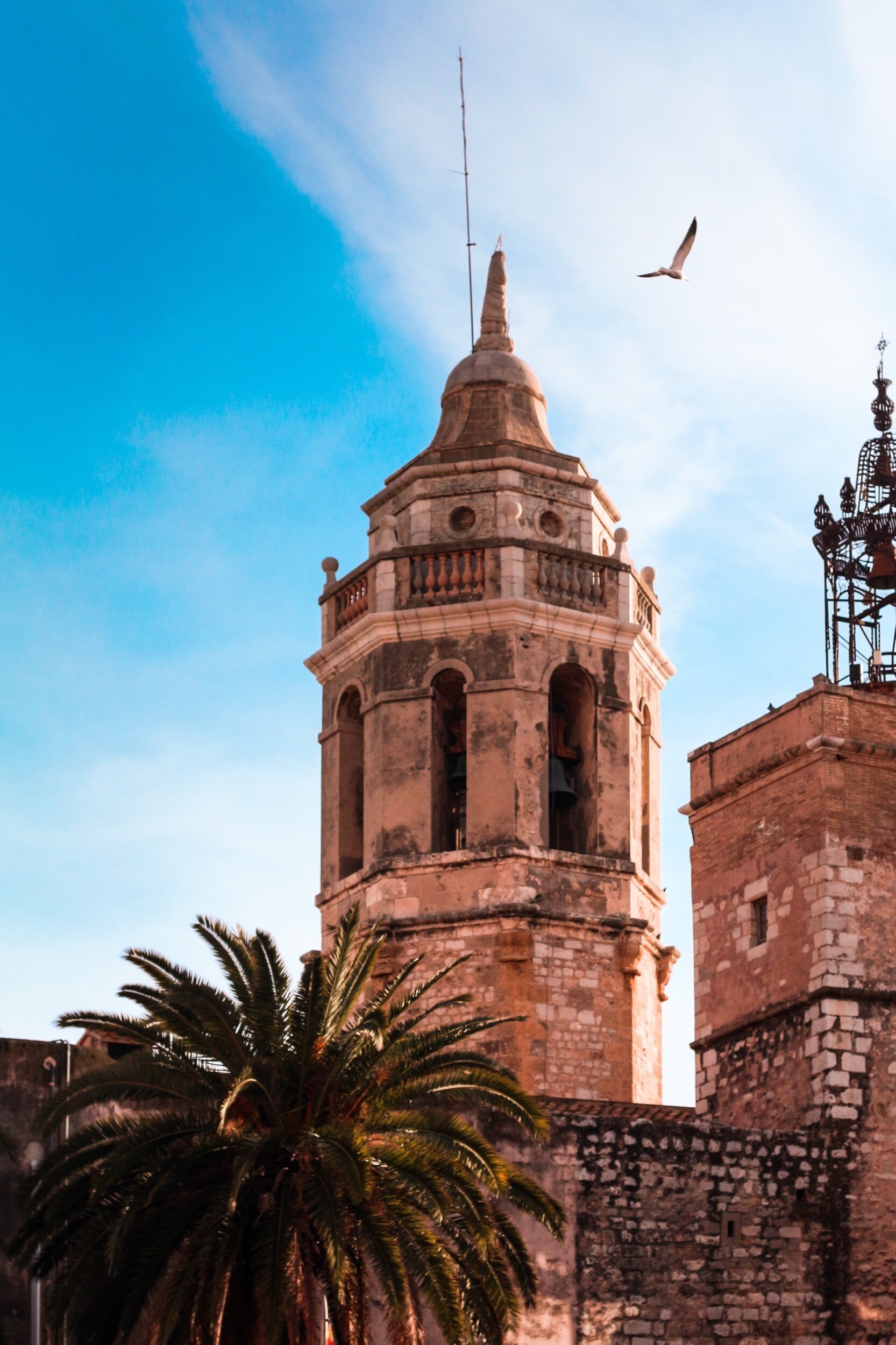
Girona, Spain.
If you have more than a few days in Barcelona, it’s worth using one of them to leave the city.
Girona is one of the easiest day trips by train and is beautiful to wander around, especially the old town.
Sitges works well if you want the sea, a smaller town and an easy change of pace.
Montserrat is the most dramatic option, with the monastery and mountain scenery making it feel completely different from Barcelona.
If you have more time, the Costa Brava is one of my favourite areas of Catalonia, but I’d give it more than a rushed day trip if possible.
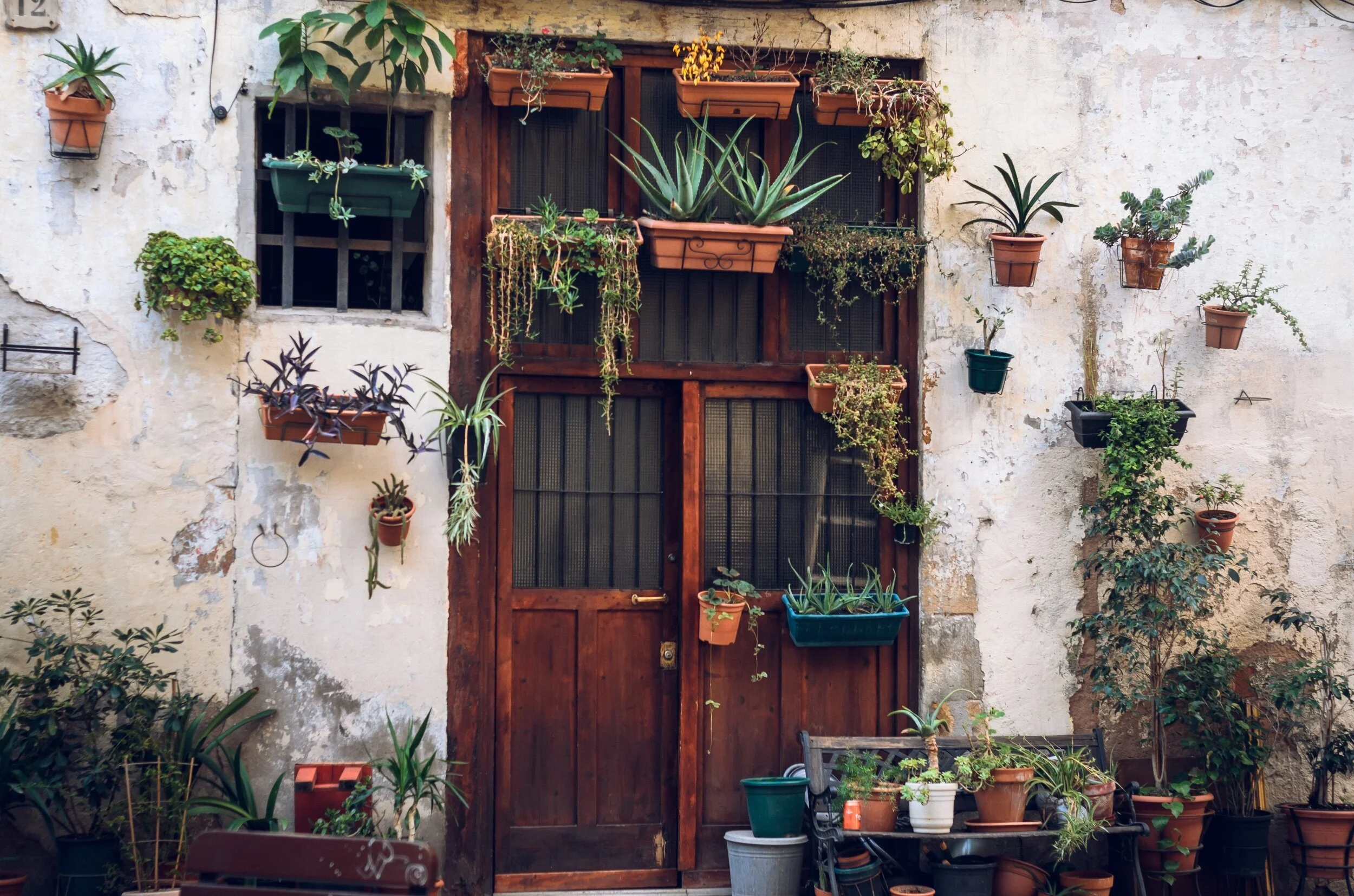
Barcelona, Spain.
BARCELONA NEIGHBORHOODS
One of the best things about Barcelona is how different the neighbourhoods feel from one another.
For a first trip, these are the areas I’d get to know first:
Eixample
Central, easy to navigate and packed with restaurants, shops and modernist architecture.
Gràcia
More neighbourhood-like, with small streets, cafés, wine bars and plenty of places to eat.
Gothic Quarter
Historic Barcelona at its most atmospheric, with narrow streets, old buildings and some very busy visitor areas.
El Born
A mix of restaurants, bars, independent shops and some of the city’s most beautiful historic streets.
Sant Antoni
One of the best areas for eating, with everything from traditional bars to newer chef-led restaurants and wine bars.
Poblenou
A little more spread out and relaxed, with the beach nearby and one of Barcelona’s most interesting newer food scenes.
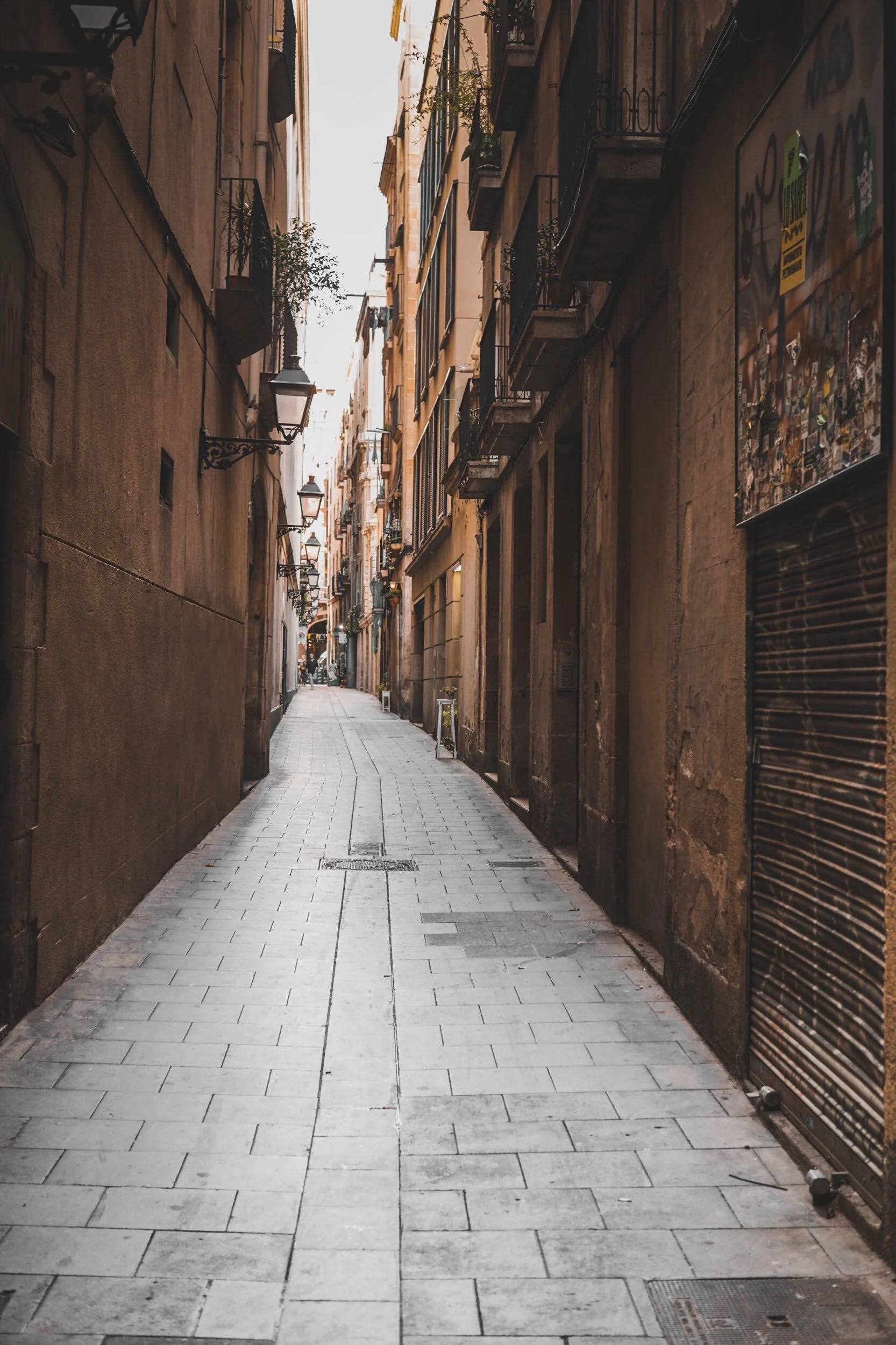
Barcelona, Spain.
FAQ
How many days do you need in Barcelona?
Three full days is enough to see the main sights, but four or five gives you much more time to explore neighbourhoods, eat well and avoid having to rush from one attraction to the next.
What area is best for a first visit to Barcelona?
Eixample is probably the easiest all-round choice because it is central, well connected and close to many restaurants and sights. Gràcia, El Born and the Gothic Quarter are also good options depending on the atmosphere you want.
Do you need restaurant reservations in Barcelona?
Not everywhere, but for popular restaurants, tasting menus and smaller chef-led places, yes. Thursday to Saturday tends to be the hardest time to get a last-minute table.
What time do people eat dinner in Barcelona?
Dinner usually starts later than in many other countries. Around 8:30 pm is normal, and plenty of people eat at 9:00 pm or later.
Is Barcelona easy to get around without a car?
Yes. Walking and public transport are usually all you need.
What should you book before visiting Barcelona?
I’d book Sagrada Família, Parc Güell and any restaurant that is particularly important to you before you arrive.
Want all my Barcelona food recommendations in one place?
The Insider Bundle includes the Barcelona Food Map plus my full Barcelona Eating Guide, so you can use it whether you’re planning ahead or deciding where to eat around the city.
You might also like: